Pole Dance Classes: The Difference Between “Looks Cool” and “Feels Safe”
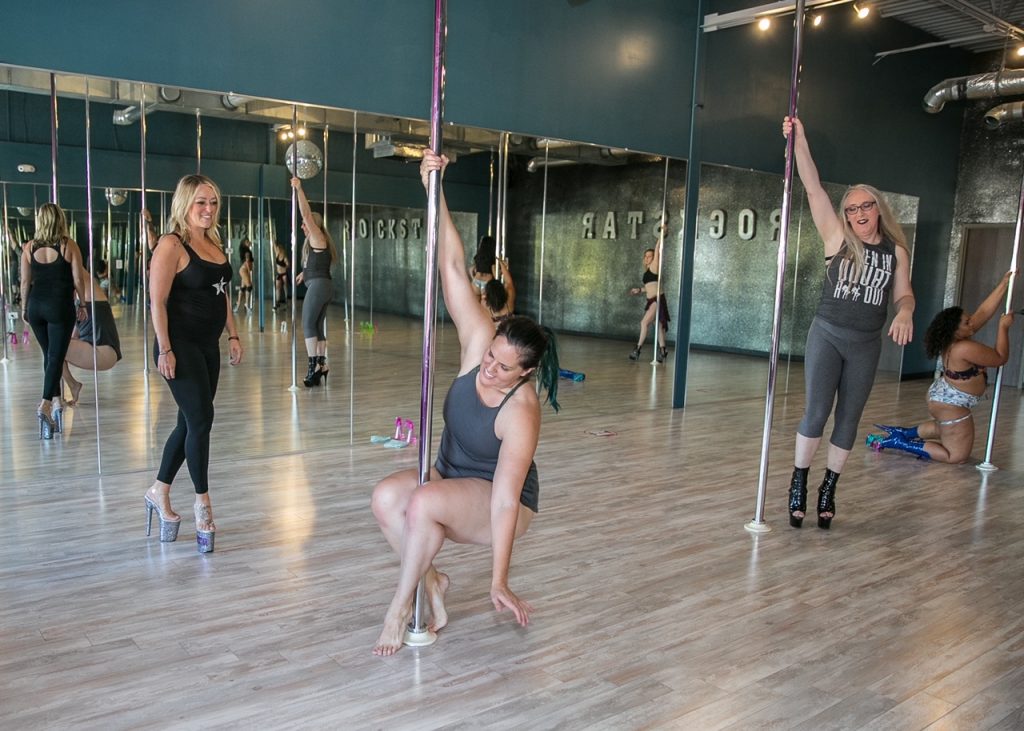
polenstudio.com – Most people first notice pole dance through a highlight clip: a clean spin, a controlled climb, a dramatic shape that looks impossible. Then they try it once and realize the real skill isn’t the trick—it’s the grip, the timing, and the strength you build quietly between attempts. That’s why searching pole dance class near me is less about finding the closest address and more about finding a place that teaches progression without shortcuts.
In big cities like Jakarta, the “best” studio can also be the one you’ll actually attend consistently—consider commute time, class schedule, and how your body feels after a day of work.
What a pole dance class usually includes
Even when studios brand themselves differently, beginner sessions tend to share a structure: warm-up, conditioning, technique, and a short sequence or cool-down. Many studios describe pole as a mix of strength, coordination, and dance movement—often alongside flexibility or floorwork classes.
Two terms you’ll see a lot:
-
Static pole: the pole stays still; you create rotation with your body.
-
Spin pole: the pole rotates; the physics feel different, and control becomes a new kind of skill.
Neither is “harder” in a universal sense—just different.
“Driving lessons near me” logic applies here too
When people type pole dance classes near me, they often choose the first result and hope for the best. A better approach is to filter like you would with any skill-based training: instructor quality, safety culture, and curriculum clarity. Beginner resources consistently emphasize learning with qualified instruction rather than trying to brute-force moves alone.
Look for a studio that can answer, plainly:
-
What level is this class (true beginner vs “beginner-friendly”)?
-
How many students share one pole?
-
What’s the progression path after the first month?
-
Do they teach safe exits and spotting for basic moves?
What “Premier Pole” usually means in listings
You’ll see “premier/premiere” used in two ways:
-
A descriptor (“the premier pole studio in…”)—marketing language, not a specific standard.
-
A studio name or brand signal (for example, “Premiere Pole and Fitness” appears as a distinct business on social platforms).
So if you’re searching premier pole, confirm whether it’s a specific studio name in your area or just a claim in a headline. The useful part isn’t the word “premier.” The useful part is the schedule, level structure, and class caps.
How to tell if a studio is beginner-safe
Pole is a legitimate athletic practice. It also has predictable risks: skin friction, grip fatigue, and shoulder overload if you progress too fast. Beginner guides repeatedly mention one practical rule: avoid lotions or oils before class because it can reduce grip and increase slipping risk.
A beginner-safe studio tends to show these signals:
-
Clear warm-ups that include shoulders and wrists
-
Conditioning that supports pulling strength (not just “try the trick”)
-
Options for regressions (easier versions) without shaming
-
Emphasis on controlled dismounts, not just getting upside down
Class formats you’ll see (and what they’re for)
Studios usually split classes so you can build skills in layers. Common categories include “Pole 101/Level 1,” choreography/flow, flexibility, and open practice.
A simple way to choose:
-
If you’re new: start with Level 1 / Foundations
-
If you want artistry later: add flow/choreo after a few basics
-
If you feel stiff: add flexibility/mobility once a week
Keep your first month boring on purpose. Boring builds tendons. Tendons keep you training.
One subtle thing beginners in humid cities miss
In humid weather—Jakarta included—grip changes. Your hands sweat, the pole feels different, and your confidence can drop even when your technique is improving. Bring a small towel, hydrate, and accept that “today’s grip” is a variable, not a verdict. That same beginner advice about avoiding lotion matters even more when humidity is already working against friction.
A quick note on “near me” without getting fooled
For pole dance near me searches, don’t rely on star ratings alone. Read a few reviews looking specifically for:
-
mentions of safety and instruction clarity
-
how beginners are treated
-
whether classes feel overcrowded
-
whether the studio enforces level prerequisites
A five-star studio can still be a bad match if it’s too advanced or too packed.
A light aside: why people keep coming back
Pole training is intense, but it’s also oddly social. People celebrate small wins—first clean climb, first controlled sit, first spin that doesn’t feel like chaos. After class, some groups decompress with casual games or silly inside jokes. Someone might even bring up a quick “mantis game” as a throwaway reference, the same way people bond over any low-stakes ritual after doing something hard.
Choosing the right pole dance class near me comes down to structure: levels that make sense, safety that’s taken seriously, and instructors who teach progressions instead of shortcuts. Whether a studio calls itself Premier Pole or anything else, the quality shows up in class caps, foundations, and how well you’re guided from “first grip” to real control.